



At Blue Pacific Minerals, our purpose is to;
Enhance and protect the environment, improve the health and wellbeing of both humans and animals, and enable farmers and growers to sustainably increase production and profitability.
CLEVER BY NATURE
Clever by nature
250,000 years ago the Central Plateau was a hive of volcanic activity.
And while mother nature was blowing a gasket, she was creating something pretty clever too... Zeolite!
Over the years we have harnessed the amazing absorbent and attraction powers of Zeolite.
Our Zeolite, it might seem like magic, but it’s actually just... clever by nature!
What is our clever mineral?
Much more than a bit of clay, this mineral, our NZ natural Zeolite has multiple attributes that lead to it having an almost endless list of uses. Clever by nature.
Physical absorbing power. The 3D-lattice work gives zeolite a property of a large internal surface area (up 145m2/g). Geologically young zeolite like those found at Ngakuru are able to absorb more liquids than other, older, glassy zeolites. When dried our zeolite is able to absorb up to 199% of it's own weight in moisture.
Another property of our zeolite is the high cation exchange capacity, it attracts negatively charged ions to then absorb. This gives it it's toxin binding qualities as a feed supplement for animals.
In addition to these two remarkable properties of a natural mineral, it then has the ability to slowly release moisture at a later date, making it particularly useful in soils and composts to release nutrients or moisture when required.


Sustainable Fertilisers
Introducing our range of liquid fertilisers for sustainable and productive farming.
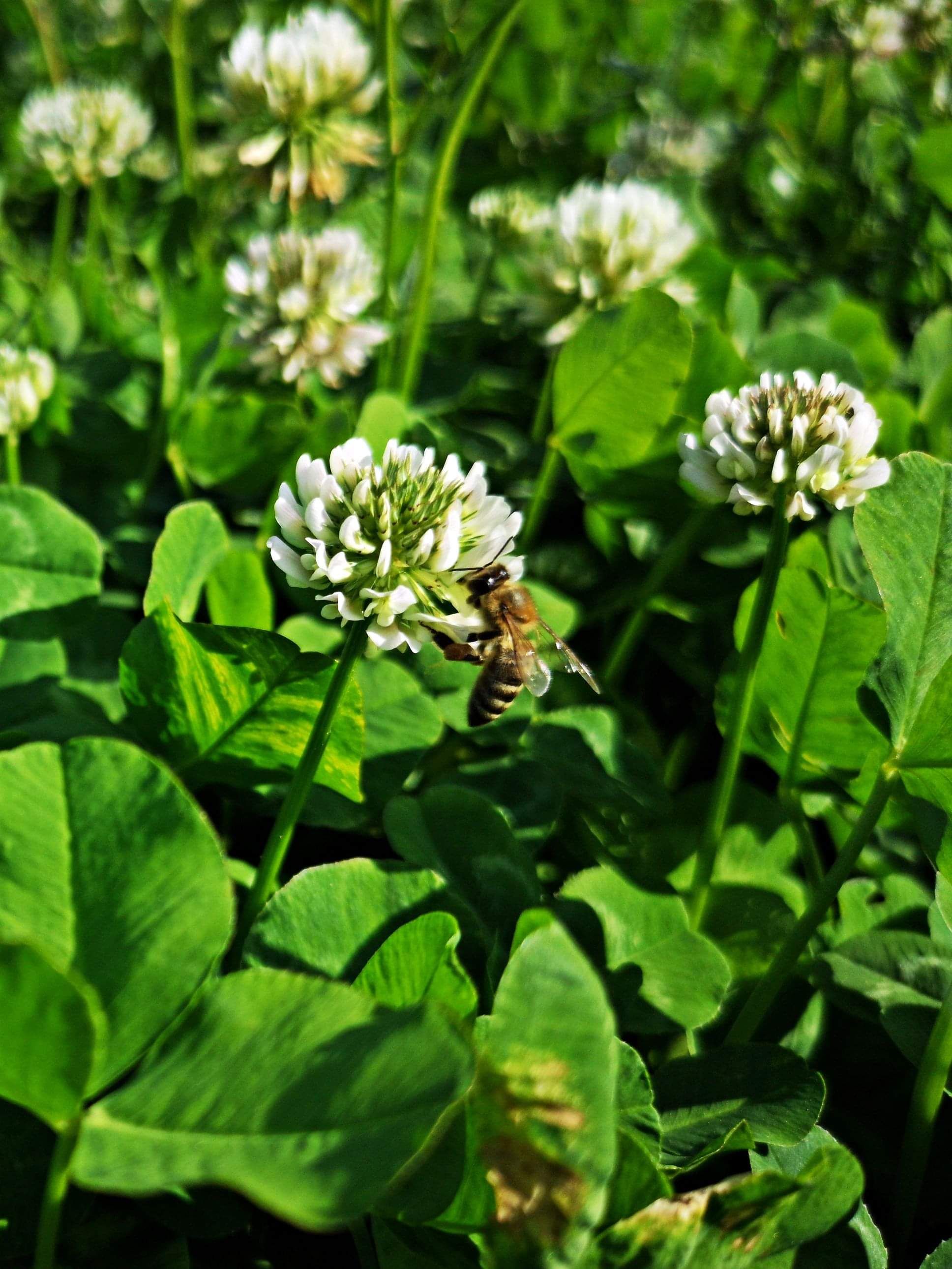
The AgriFert range of liquid fertilisers will have you using less nitrogen, with less leaching and the added benefit of fulvic, humic, fish and kelp, macro minerals and trace elements.
Ensure you are setting your soils up for maximum production and longevity.


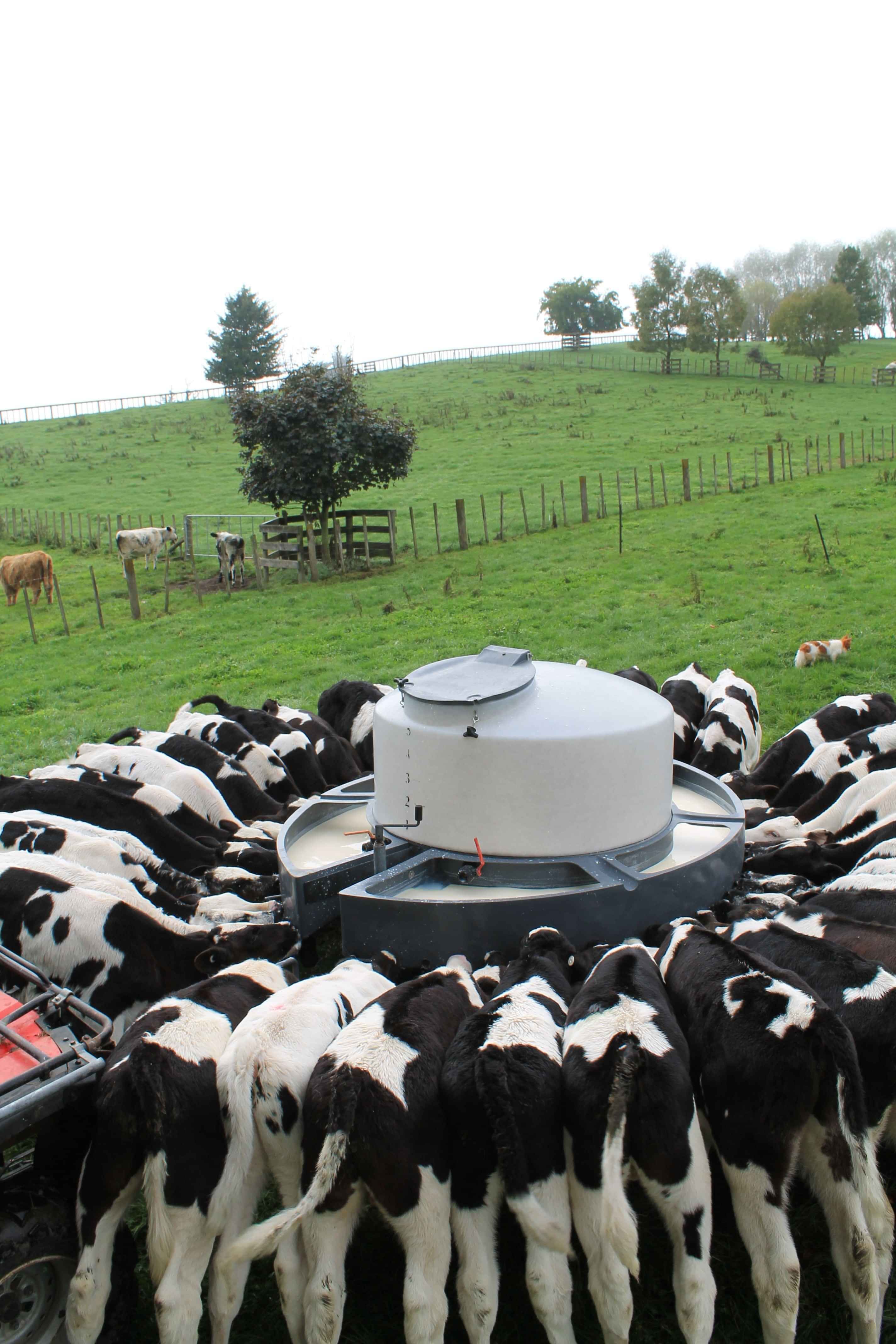
Over 1/3 of all NZ calves are raised on our products.

Optimal animal health all year round
Quite simply, our NZ zeolite is a natural solution to numerous on farm challenges across multiple animal species.
We have partnered with businesses and individuals who are leading their area of expertise to ensure our range of products are easy to use, solve on-farm problems and provide meaningful results whilst keeping as natural as we can with no toxins or nasty additives!
Our agriculture range includes products to help prevent diarrhoea in young stock, mycotoxin binding in ruminants, and probiotics, minerals and trace elements for the health and productivity of animals during every part of the farming calendar.
Optimate™ is an ACVM registered toxin binder and a BioGro Certified Input for Organics.


World class stadium turf assisted by our clever mineral
Forsyth Barr Stadium is New Zealand's largest and most versatile covered events arena. Sitting proudly as an innovative Dunedin icon, it’s a place where sports, concerts, events and conferences come to life.
The turf at Forsyth Barr is aided in water retention and prolonged hydration by the use of our unique Zeolite. Our zeolite absorbs moisture - water and nutrients and slowly releases them to the soil.
This application can be used in the same way for crops and at home gardening or indoor plants. Our zeolite attracts nutrients in the soil, absorbing moisture and adsorbs them slowly, reducing leaching and wasted water running straight through the soil.

Hands covered in grease, fishing odour, gardening dirt or DIY paint?
Magic Mud™ is a unique natural hand cleaner containing our soft Zeolite, which you know is a very clever mineral.
Our zeolite properties magnetically pull contaminants away from the skin and are tough enough to clean dirt, grease, oil, paint, chemicals, and amazingly removes the most rank of smells from your hands!
Magic Mud™ contains no nasties, including no microbeads, no parabens, no colourants, and no artificial fragrances; just 100% natural ingredients! Magic Mud even keeps cleaning when it enters waterways!

Environmental solutions
Spills happen, storm water is washed across streets containing oils and pollutants, and manufacturing has byproducts. These are a fact of life, but we have solutions to help them lessen their impact on the environment.
